Blog
Brian Craig
September 27, 2021
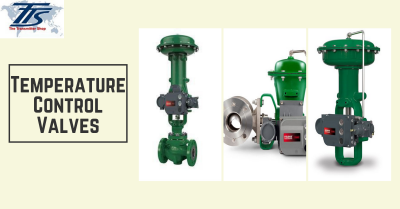
Control valves are an integral part of various industrial applications, such as power generation units, oil and gas plants, fire prevention systems, and more. These control valves are available in different types and specifications. Temperature control valves are one of the popular valve types used today. These devices are designed to control the fluid temperature in the system to ensure efficient process operations. The temperature control valve controls the fluid flow, flow rate, and the process quantities, such as temperature, pressure, and liquid levels. Is that all? Obviously not. How does a temperature control valve work? What types of temperature control valves are in use today? Are you bothered with these questions? If yes, this post answers all questions regarding temperature control valves. So, stay tuned.
Read More...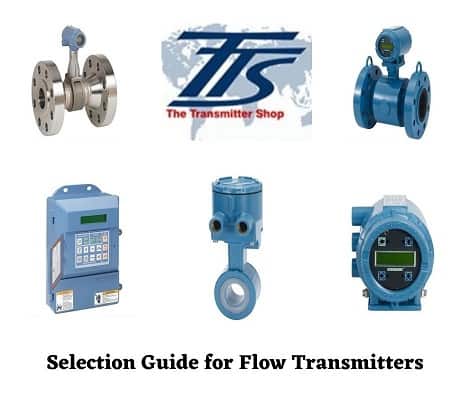
Brian Craig
July 23, 2021
Flow transmitters are the equipment used for flow measurement, monitoring, and control in industrial fluid transmission systems. The flow transmitters consist of flow sensors and a flow control mechanism. Being electro-mechanical equipment, these devices can be constructed according to the industrial flow control and monitoring requirements. Owing to the versatility in industrial flow monitoring and control operations, various types of metering and control mechanisms can be found in flow transmitters. This leads to an understandable confusion in the selection of an appropriate flow meter. Having a wide range of specifications and performance abilities of the flow transmitters, the selection of an appropriate flow transmitter becomes complex. This post guides the readers through the process of selecting an appropriate flow transmitter for optimum results.
Read More...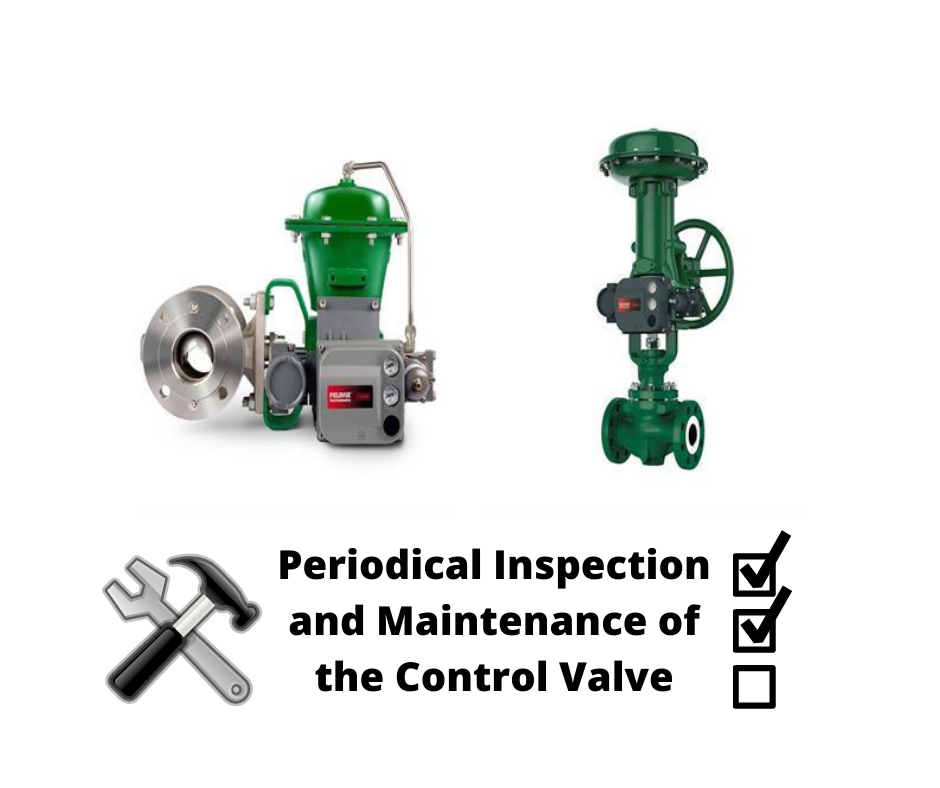
Brian Craig
July 19, 2021
The control valves are important parts of pumping systems. In fact, when it comes to controlled transmission and forwarding of fluids, the control valves are the most important components. This is why the maintenance of these devices is essential. Generally, the operators pay utmost attention to preventive maintenance of complete pumping units, but the individual control valve preventive maintenance is often overlooked. This ignorance towards control valve preventive maintenance can result in abrupt failure of the flow control valve. This eventually results in errors and failure of the fluid transmission units. This is why it is important to do preventive maintenance of control valves. If you are wondering how you maintain control, then this post is for you. Then this post discusses how to do the periodical inspection and maintenance of the control valve.
Read More...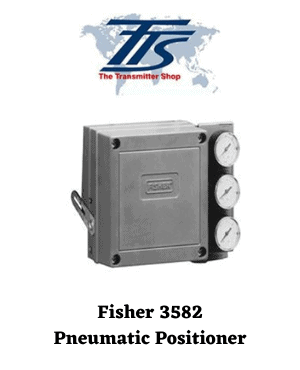
Brian Craig
July 12, 2021
Fisher 5383 pneumatic positioner is a single-acting positioner. It is an integral part of Fisher control valves and flow transmitters. The working of the positioner has to be precise to give calculated operations. If not, it can impact the overall performance of the control valve or a transmitter. Hence the calibration of the valve positioner is an inevitable maintenance activity. Being a positioner for precise control valves and transmitters, the Fisher 3583 pneumatic single-acting positioner requires appropriate calibration. This post introduces Fisher 5382 pneumatic positioner and guides through the calibration procedure for the same.
Read More...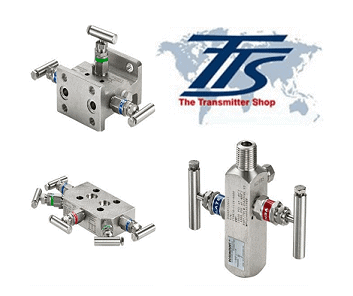
Brian Craig
July 07, 2021
Process instrumentation lines feature several instruments including process interface valves, impulse lines, manifolds, and transmitters, which are used to measure different process parameters such as flow, temperature, level, and pressure. The level of accuracy required for each of these parameters vary with each application. At times, a range of temperature or pressure is sufficient, while in some applications, exact and absolute value may be needed. The accuracy aspect and tolerances in an instrument are designed or customized accordingly. Process instrumentation has been in use since decades; however, the earlier devices were mainly mechanical. Now with technological advancements, you can have multiple functionalities in these instruments. For instance, a device such as a transmitter can measure relative as well as absolute pressure. If it finds any variations in values, it issues an alert to the connected computer or smartphone. Transmitters are an important part of this instrumentation. However, the entire loop and connectivity among these devices is just as important. So, instrument manifolds are used. This post discusses some ways or techniques for accurate pressure, flow, and level measurement in a process.
Read More...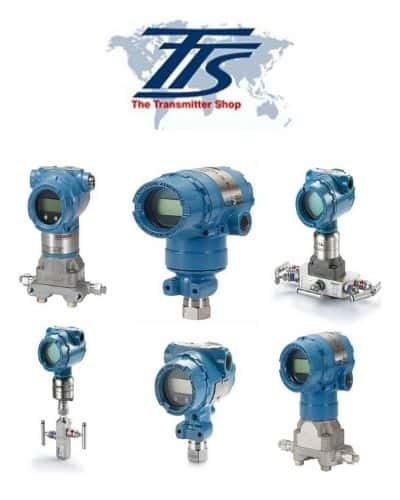
Brian Craig
June 21, 2021
Internal process pressure measurement is an important requirement in many industrial fluid systems. This pressure is measured using pressure gauges or gauge pressure transmitters. Thus, it can be rightly said that gauge pressure transmitters are an integral part of pressure warning systems in many industrial facilities. A pressure point is set and any value above and below that can impact the process quality, and may pose risk for operators and people working in the vicinity. However, pressure gauges may fail to perform as expected and this may be largely due to the failure of these devices. There are several reasons for the failure of these pressure gauges. Are you intrigued to know what they are and how these reasons can be prevented or fixed before they escalate? If it sounds yes, perhaps, this post is for you. It analyzes the top 5 reasons for gauge pressure transmitter failure and their fixing tips.
Read More...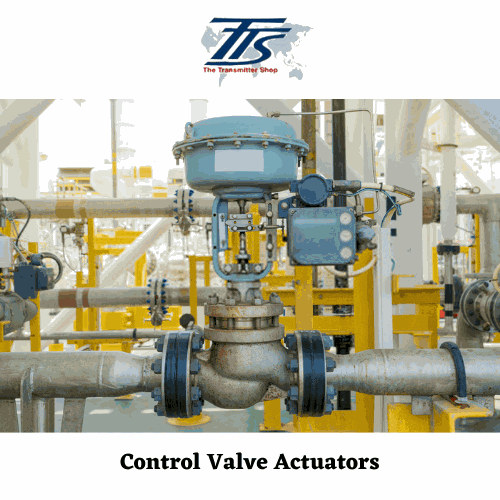
Brian Craig
June 03, 2021
The control valve actuators are the triggering units in control valves. These actuators are responsible for generating the motive force needed to operate the valves. The actuators can be operated using different types of energy provision systems such as hydraulic, pneumatic, manual, electrical, etc. Therefore, there are multiple types of valve actuators. Different types of actuators offer different operational parameters and performance efficiencies. Also, different types of these actuators feature different design specifications and scope for failure during applications. While using the actuators, it is essential to understand the types, and failure modes. That is why this post introduces valve actuators, different types, and failure modes for them.
Read More...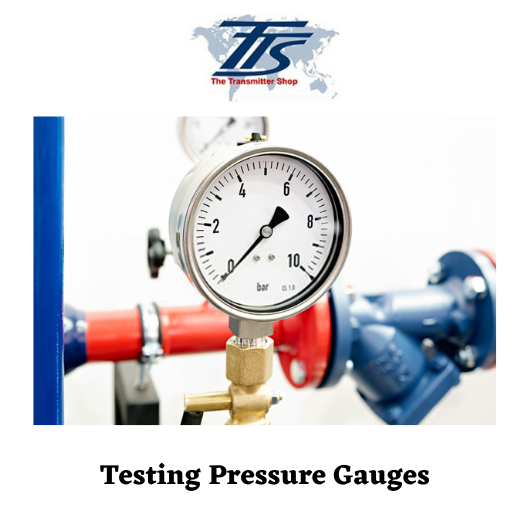
Brian Craig
May 28, 2021
Pressure gauges are the industrial equipment used for measuring pressure fluctuations. Generally, they are installed on the fluid transmission lines in industrial supply systems, fluid-operated equipment, etc. Pressure plays a crucial role in industrial process control. Hence the pressure gauges are of great significance. However, the performance of these gauges should be precise and accurate, otherwise, sudden pressure buildup, pressure drop, etc can cause damage to the industrial systems. This is why testing the pressure gauges before an application is essential. These gauges are often tested, calibrated, and validated before and during the application. The testing plays the most significant role in ensuring the performance and verification of these devices. There are multiple ways of testing gauges. Out of which functional testing and verification testing are mandatory and are performed by the manufacturers or users of these gauges. This post discusses the processes of verification and functional tests for these gauges.
Read More...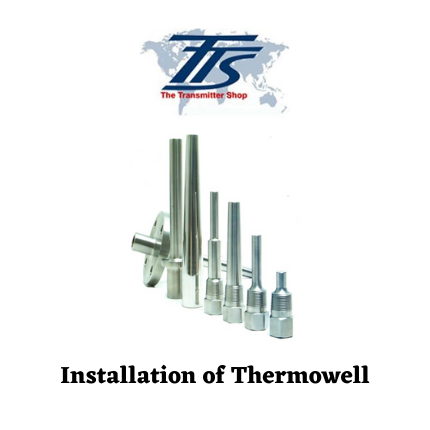
Brian Craig
May 28, 2021
Thermowells play an important role in industrial processes. These are cylindrical tubes used to protect thermal equipment like temperature sensors from coming in direct contact with fluids. Since temperature is a crucial factor of industrial processes, the protection of temperature sensors ensures the durability of thermal equipment and desired temperature measurement. However, these devices are only helpful if installed properly. If you are unaware of its installation procedure, then this post is for you. This post offers detailed guidelines for the installation of one or multiple Thermowells in industrial systems and important considerations related to it.
Read More...
Brian Craig
April 30, 2021
The accuracy of pressure transmitters plays a crucial role in-process monitoring and control across industries. Since pressure is an essential parameter of industrial processes, continuous and accurate monitoring of pressure is of utmost importance. Slightly incorrect measurement in value of pressure may result in pressure shoot-up, pressure drops, and eventually abrupt damage to industrial systems. Needless to say, such incidents pose hazards to operators. In high-pressure hydraulic and pneumatic systems, this can lead to fatal accidents. This is why accuracy of pressure transmitters cannot be jeopardized. Thus, calculation of accuracy of pressure transmitters should be done while selecting and troubleshooting the equipment. This post discusses the process and considerations of calculating accuracy of transmitters.
Read More...
Brian Craig
April 06, 2021
Pressure transmitters and pressure transducers, both act as advanced pressure gauges. Although the purpose of utilizing both these pressure gauges is nearly the same, the devices possess different technical specifications. Often the manufacturers and users of pressure transmitters and pressure transducers consider these devices interchangeable. However, they are not really interchangeable. They can be used for pressure level measurement but the performance characteristics of these two pressure gauges vary in various aspects. When it comes to the selection of a transmitter or a transducer, these devices are often pitted against each other due to incomplete knowledge about their functioning. This post offers an introduction and differentiating characteristics of pressure transmitters and pressure transducers which makes the selection convenient.
Read More...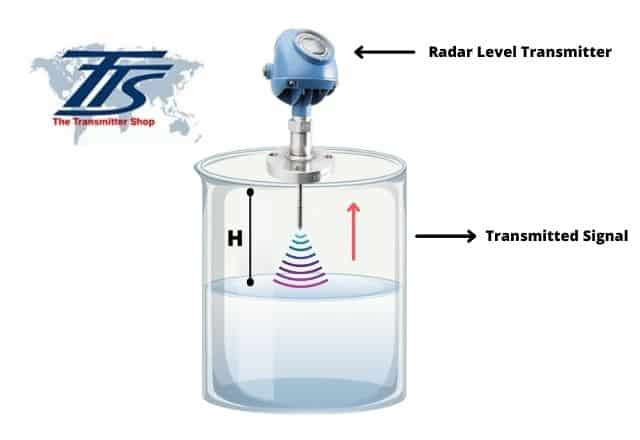
Brian Craig
April 01, 2021
Radar as a technology for years has been used to detect occupancy, sound, and so on, in many mission critical applications such as defense, aerospace, and others. Additionally, it is also used in applications where liquid level monitoring is required, such as certain industrial processes. Usually, there are many contact-based probes and sensors used for level measurement. However, guided wave radar level transmitters offer a non-contact measurement of liquids and gases levels in industrial processes. This post discusses what radar level transmitters are and how they work in level measurement applications.
Read More...