- Transmitters
- Control Valves
- Transducer
- Controllers / Positioners
- Gauges
- Sensors
- Accessories
- Level switches
- RTDs-Resistance Temperature Detectors
- Instrument Manifold
- Thermocouples and Thermocouple Assemblies
- Wireless Products
- Detectors
- Miscellaneous products
- Alarms and signaling devices
- Gas Detectors
- Gas Monitoring Systems
- Flame Detectors
- Hart communication tool
- Wire Products
- Displays / Digital indicators
- Diaphragm seals
- Thermowells
- Thermometers
- Automotive Equipment
- Signal generators
- Data-loggers, Recorders
- Humidity and Temperature Transducer
- Power supplies, Isolators, Signal converter
QUICK ENQUIRY


New Surplus Sales
Market factors and aggressive campaigns by other manufacturers can free up purchased

Reconditioned Service
Discount pricing, quality products, large inventory availability for quick
Factory New Sales
Market factors and aggressive campaigns by other manufacturers can free up purchased
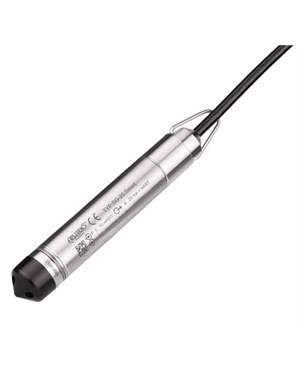
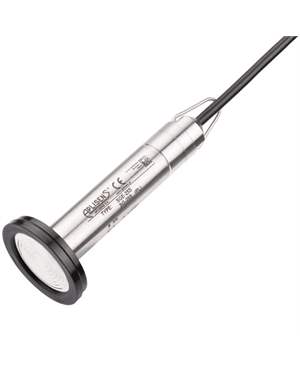
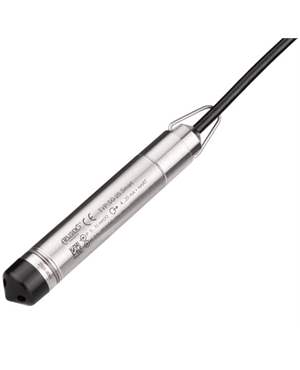
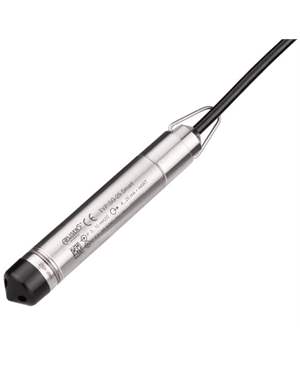
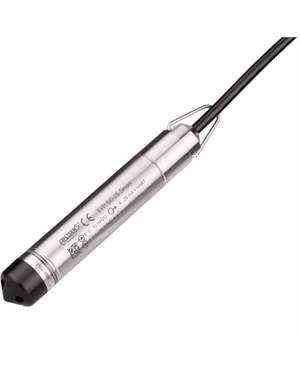
Hydrostatic level probes
Accurate liquid level measurement is essential for maintaining process efficiency, inventory control, and operational safety across industrial facilities. Hydrostatic Level Probes provide continuous level measurement by sensing the hydrostatic pressure generated by the liquid column, delivering reliable and accurate readings in tanks, wells, reservoirs, boreholes, and process vessels.
Our range of hydrostatic level probes includes standard submersible probes, smart hydrostatic level probes, Modbus-enabled models, Hastelloy probes for corrosive media, and specialized level measurement solutions for demanding industrial applications. Designed for integration with PLC, DCS, SCADA, HMIs, and industrial process controllers, these probes support continuous monitoring across water treatment, wastewater, chemical processing, food & beverage, pharmaceutical manufacturing, mining, and industrial automation systems.
Filter By
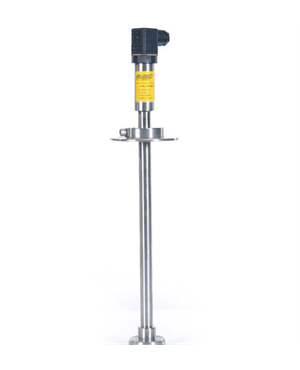
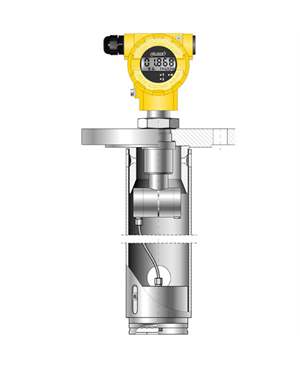
Hydrostatic Level Probe Configurations
Different applications require different sensing technologies and construction materials. Our hydrostatic level probe range includes multiple configurations designed to meet varying process conditions and installation requirements.
Standard Hydrostatic Level Probes
Standard hydrostatic level probes provide reliable continuous liquid level measurement for water, wastewater, storage tanks, reservoirs, lift stations, and general industrial applications.
Typical applications include:
- Water storage tanks
- Groundwater monitoring
- Bore wells
- Lift stations
- Process tanks
- Reservoirs
These probes offer dependable measurement performance while maintaining excellent long-term stability in continuously operating systems.
Smart Hydrostatic Level Probes
Smart hydrostatic level probes combine precise level measurement with advanced configuration capabilities, making them suitable for modern industrial automation systems requiring enhanced process monitoring and flexible integration.
They are commonly selected for:
- Automated production facilities
- Remote monitoring systems
- Industrial process control
- Smart water management
- Utility monitoring
Smart probes simplify commissioning while providing improved diagnostics and system flexibility.
Modbus Hydrostatic Level Probes
For facilities requiring digital communication, Modbus hydrostatic level probes provide reliable data transmission and seamless integration with industrial automation systems.
These probes are well suited for applications involving:
- PLC systems
- SCADA platforms
- Distributed Control Systems (DCS)
- Remote monitoring stations
- Industrial IoT applications
- Centralized process monitoring
Modbus communication reduces wiring complexity while supporting real-time process data acquisition across multiple monitoring points.
Hastelloy Hydrostatic Level Probes
Applications involving aggressive chemicals or corrosive process media require materials capable of withstanding challenging operating environments.
Hastelloy hydrostatic level probes are commonly used in:
- Chemical processing
- Corrosive liquid storage
- Industrial wastewater
- Acid storage tanks
- Process reactors
- Specialty chemical production
Their corrosion-resistant construction helps improve service life while maintaining measurement reliability in demanding applications.
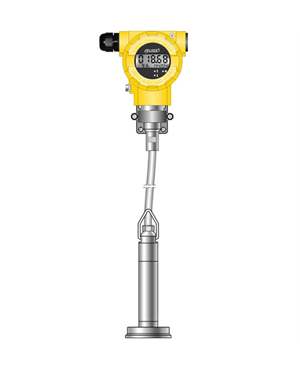
Specialized Level Measurement Solutions
The category also includes specialized hydrostatic level measurement assemblies designed for specific process requirements where installation method, vessel geometry, or application conditions require customized sensing solutions.
These solutions support continuous level monitoring across a wide variety of industrial liquid storage and process applications.
Industrial Applications
Hydrostatic level probes are used throughout industries where continuous liquid level monitoring is critical for process control, inventory management, equipment protection, and operational safety.
Water & Wastewater Treatment
Monitor reservoirs, treatment tanks, lift stations, sludge tanks, and distribution systems while supporting automated pump control and continuous level monitoring.
Chemical Processing
Measure liquid levels in chemical storage tanks, reactors, blending systems, and transfer vessels where reliable measurement is essential for maintaining safe operating conditions.
Food & Beverage Manufacturing
Support level measurement in storage tanks, ingredient vessels, and process equipment used throughout production and cleaning operations.
Pharmaceutical Manufacturing
Provide continuous monitoring of process liquids, purified water systems, storage vessels, and production equipment where accurate level measurement contributes to product quality and regulatory compliance.
Mining and Mineral Processing
Monitor water storage, tailings ponds, process tanks, and slurry applications requiring dependable level measurement under demanding environmental conditions.
Industrial Manufacturing
Used in utility systems, cooling water circuits, process tanks, wastewater collection systems, and production facilities requiring reliable liquid level measurement.
Key Features and Performance Capabilities
Hydrostatic level probes are designed to provide accurate, continuous liquid level measurement across a wide range of industrial processes. Their submersible construction and pressure-based measuring principle make them suitable for applications where reliable level monitoring is required despite changing process conditions.
Continuous Level Measurement
Unlike point level switches that indicate only high or low levels, hydrostatic level probes provide continuous measurement across the entire liquid column. This enables operators to monitor changing levels in real time, improving inventory management and process control.
High Measurement Accuracy
Accurate level measurement is essential for maintaining production efficiency and preventing overflow or dry-running conditions. Hydrostatic level probes deliver stable and repeatable measurements for process automation, storage monitoring, and utility applications.
Long-Term Measurement Stability
Industrial processes often operate continuously for extended periods. Hydrostatic level probes are designed to maintain consistent measurement performance with minimal drift, reducing maintenance requirements and improving operational reliability.
Corrosion-Resistant Construction
Material selection plays an important role in measurement reliability. Depending on the application, hydrostatic level probes are available in stainless steel and corrosion-resistant materials such as Hastelloy for compatibility with aggressive process media.
Submersible Industrial Design
Designed for direct installation inside tanks, reservoirs, bore wells, and process vessels, hydrostatic level probes provide dependable operation while remaining protected from external environmental conditions.
Communication Options and Industrial Automation Integration
Modern process facilities require instrumentation that communicates efficiently with plant automation systems. Hydrostatic level probes are available with output options that simplify integration with monitoring and control equipment.
Standard Analog Output
Many industrial hydrostatic level probes provide a 4–20 mA output, allowing reliable signal transmission over long cable distances while minimizing the effects of electrical noise.
Standard analog outputs are compatible with:
- PLC Systems
- Process Controllers
- Digital Indicators
- Data Loggers
- Paperless Recorders
- Building Management Systems (BMS)
Modbus Communication
Facilities implementing digital automation often require communication between multiple field devices and centralized monitoring systems. Modbus hydrostatic level probes provide digital communication for efficient process monitoring and simplified system integration.
Modbus communication is commonly used in:
- SCADA Systems
- PLC Networks
- Remote Monitoring Stations
- Industrial IoT Applications
- Water Distribution Networks
- Utility Infrastructure
Digital communication enables centralized monitoring of multiple level measurement points while simplifying wiring and improving data accessibility.
Integration with PLC, DCS and SCADA Systems
Hydrostatic level probes are widely used as part of automated process control systems where continuous level measurement supports operational efficiency and equipment protection.
Typical integration includes:
PLC Systems
Programmable Logic Controllers receive level signals to automate:
- Pump control
- Tank filling
- Tank emptying
- Overflow prevention
- Process sequencing
Distributed Control Systems (DCS)
Large industrial facilities use DCS platforms to monitor multiple process variables simultaneously. Hydrostatic level probes provide continuous level data that supports centralized process monitoring and production optimization.
SCADA Platforms
SCADA systems collect, display, and archive level measurements from multiple locations. Hydrostatic level probes provide reliable field measurements that operators can monitor remotely while receiving alarms for abnormal operating conditions.
HMI Systems
Human Machine Interfaces provide operators with real-time visualization of tank levels, process status, trends, and alarms generated from hydrostatic level probes.
Data Loggers and Recorders
Hydrostatic level probes can also be integrated with industrial data loggers and paperless recorders for:
- Historical trend analysis
- Inventory monitoring
- Regulatory reporting
- Process optimization
- Maintenance planning
Selecting the Right Hydrostatic Level Probe
Selecting the appropriate hydrostatic level probe depends on process conditions, media characteristics, installation requirements, and system compatibility. Evaluating these factors during specification helps ensure reliable long-term performance.
Process Media
Different liquids require different material compatibility.
Consider whether the application involves:
- Clean water
- Wastewater
- Chemicals
- Corrosive liquids
- Process water
- Food-grade liquids
The wetted materials should be compatible with the media being measured.
Measuring Range
The measurement range should match the maximum liquid height within the tank, reservoir, well, or process vessel. Selecting an appropriate range improves measurement resolution while ensuring accurate readings throughout the operating level.
Material Construction
Probe construction should be selected according to the operating environment.
Common considerations include:
- Stainless steel for general industrial service
- Hastelloy for corrosive applications
- Chemical compatibility
- Environmental exposure
Output Signal Requirements
Confirm compatibility with the receiving control system.
Available communication options may include:
- 4–20 mA
- Modbus
- Smart outputs (model dependent)
Choosing the appropriate communication protocol simplifies integration with existing automation infrastructure.
Installation Environment
Evaluate installation conditions including:
- Tank depth
- Cable length
- Ambient temperature
- Process pressure
- Environmental conditions
- Mounting location
Proper installation improves measurement stability while reducing maintenance requirements.
Why Choose Our Hydrostatic Level Probes
Selecting the right hydrostatic level probe is critical for achieving accurate, long-term level measurement in industrial applications. Our product range includes solutions designed to support diverse process requirements, from water and wastewater monitoring to corrosive chemical storage and automated industrial processes.
Our hydrostatic level probes are available in multiple configurations to meet different installation environments, communication requirements, and media compatibility needs.
Our product offering supports:
- Continuous liquid level measurement
- Water and wastewater applications
- Chemical processing
- Industrial automation systems
- Reservoir and bore well monitoring
- Process tanks and storage vessels
- Corrosive process media
- Smart monitoring applications
Whether you require a standard hydrostatic level probe, a Modbus-enabled solution, or a corrosion-resistant Hastelloy model, our product range is designed to integrate with existing industrial control systems while delivering reliable performance under demanding operating conditions.
Technical assistance is available to help identify the appropriate hydrostatic level probe based on measuring range, media compatibility, output signal, installation method, and automation requirements.
Frequently Asked Questions (FAQ's)
-
How does liquid density affect hydrostatic level measurement?
Hydrostatic level probes calculate liquid level based on the hydrostatic pressure generated by the liquid column. Since hydrostatic pressure varies with liquid density, applications involving fluids with significantly different densities may require calibration or scaling adjustments to maintain accurate level measurements.
-
When should a Modbus hydrostatic level probe be selected instead of a standard 4–20 mA model?
A Modbus hydrostatic level probe is ideal for applications requiring digital communication, remote diagnostics, and integration with PLCs, SCADA systems, or industrial automation networks. Standard 4–20 mA models are typically preferred for conventional analog process control systems.
-
What factors should be considered when selecting the probe cable length?
The cable should be long enough to reach the maximum installation depth while providing sufficient length for routing to the control panel or monitoring equipment. Selecting the correct cable length simplifies installation and helps maintain reliable signal transmission.
-
Which wetted materials are recommended for corrosive liquids?
The appropriate wetted material depends on the chemical properties of the process fluid. Stainless steel is suitable for many industrial liquids, while Hastelloy and other corrosion-resistant alloys are commonly selected for aggressive chemicals, acids, and highly corrosive applications.
-
Can hydrostatic level probes be integrated with PLC and SCADA systems?
Yes. Hydrostatic level probes can be integrated with PLCs, DCS platforms, SCADA software, HMIs, data loggers, and process controllers. Depending on the model, they support either standard 4–20 mA analog outputs or Modbus digital communication for seamless system integration.
-
Are hydrostatic level probes suitable for deep wells and borehole applications?
Yes. Submersible hydrostatic level probes are widely used for groundwater monitoring, boreholes, reservoirs, and deep water storage tanks. Choosing the appropriate measuring range and cable length ensures accurate and reliable level measurement in deep installations.
-
How do hydrostatic level probes perform in wastewater applications?
Hydrostatic level probes are commonly used in wastewater treatment plants, lift stations, sludge tanks, sewage pits, and collection systems. Selecting the appropriate diaphragm material, housing construction, and environmental protection helps ensure dependable long-term performance in demanding wastewater environments.