Blog
Brian Craig
December 24, 2025
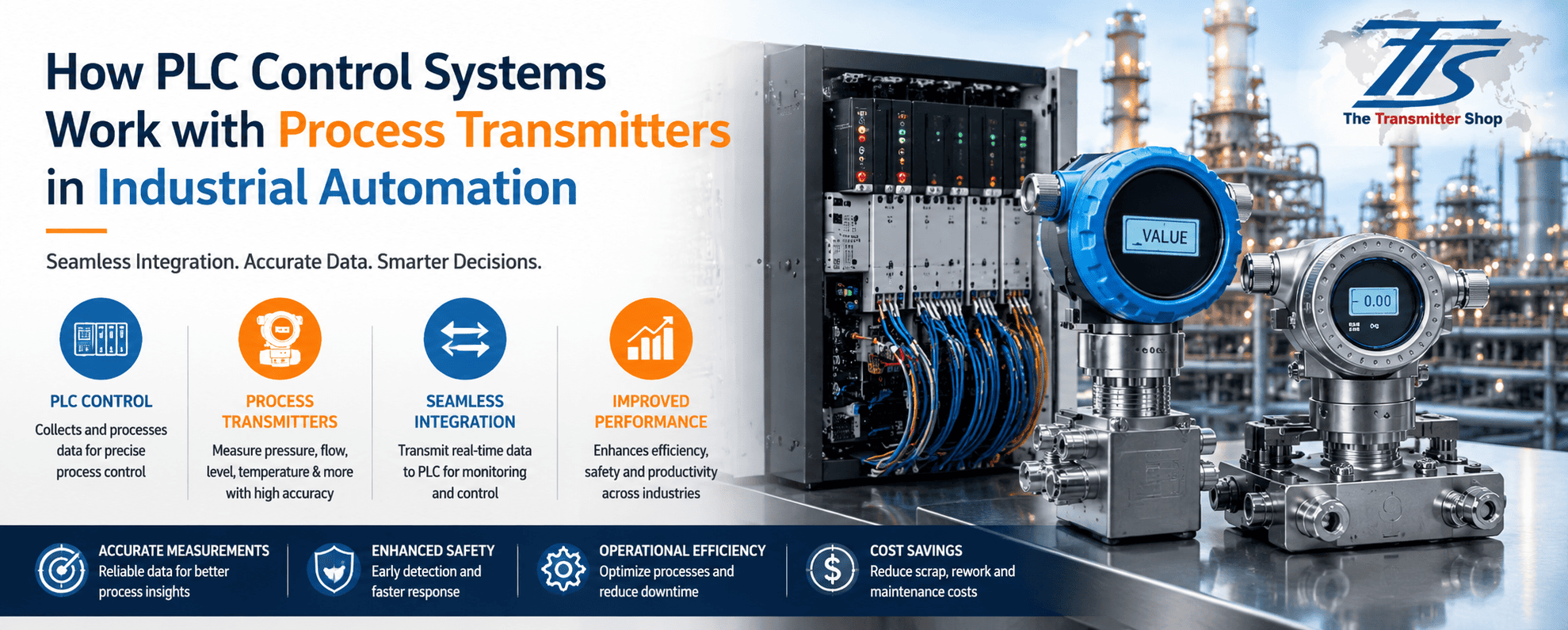
Learn how PLC control systems use process transmitters to measure pressure, temperature, flow, and level, enabling accurate, safe, and reliable industrial automation.
Read More...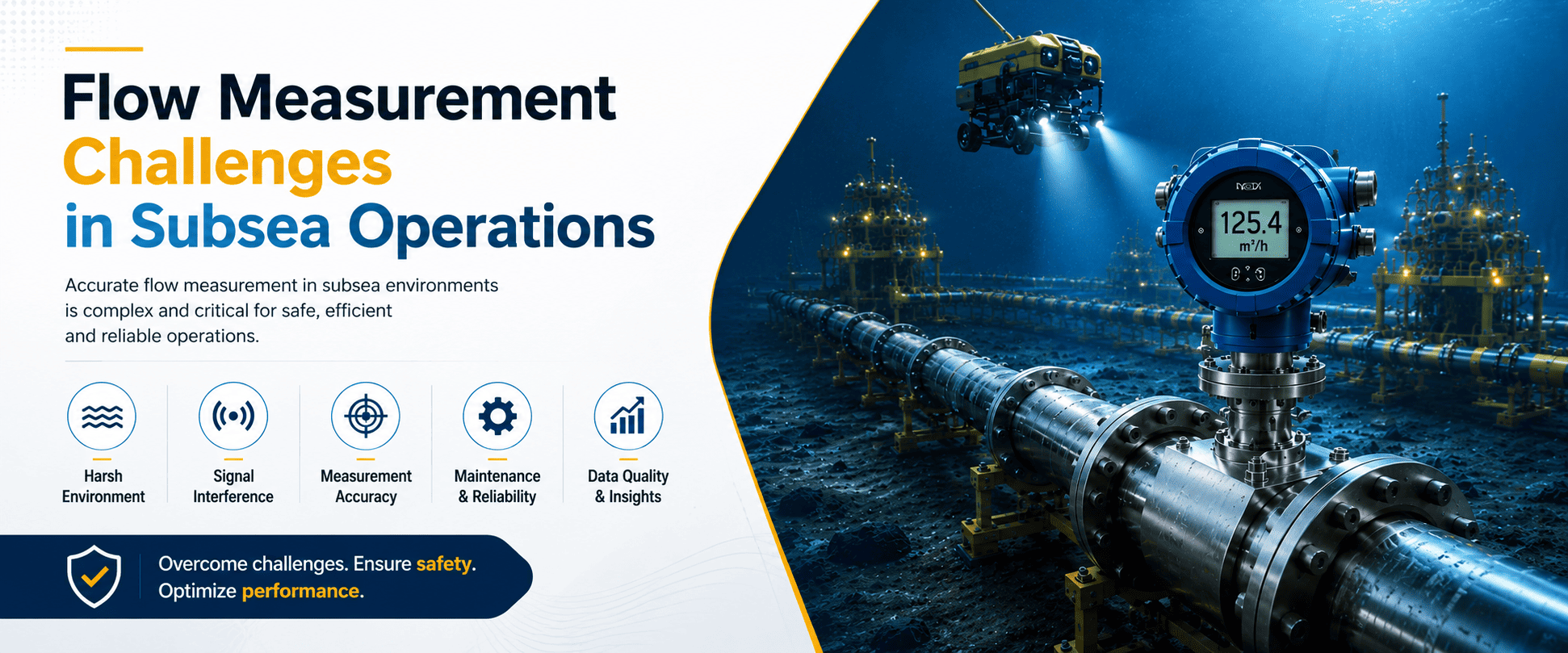
Brian Craig
September 29, 2025
Discover the key challenges of flow measurement in subsea oil and gas operations, from high pressure and multiphase flows to corrosion and limited accessibility. Learn how advanced flow transmitters and emerging technologies like MPFMs, fiber optics, and digital twins are enabling accurate, reliable, and efficient subsea monitoring.
Read More...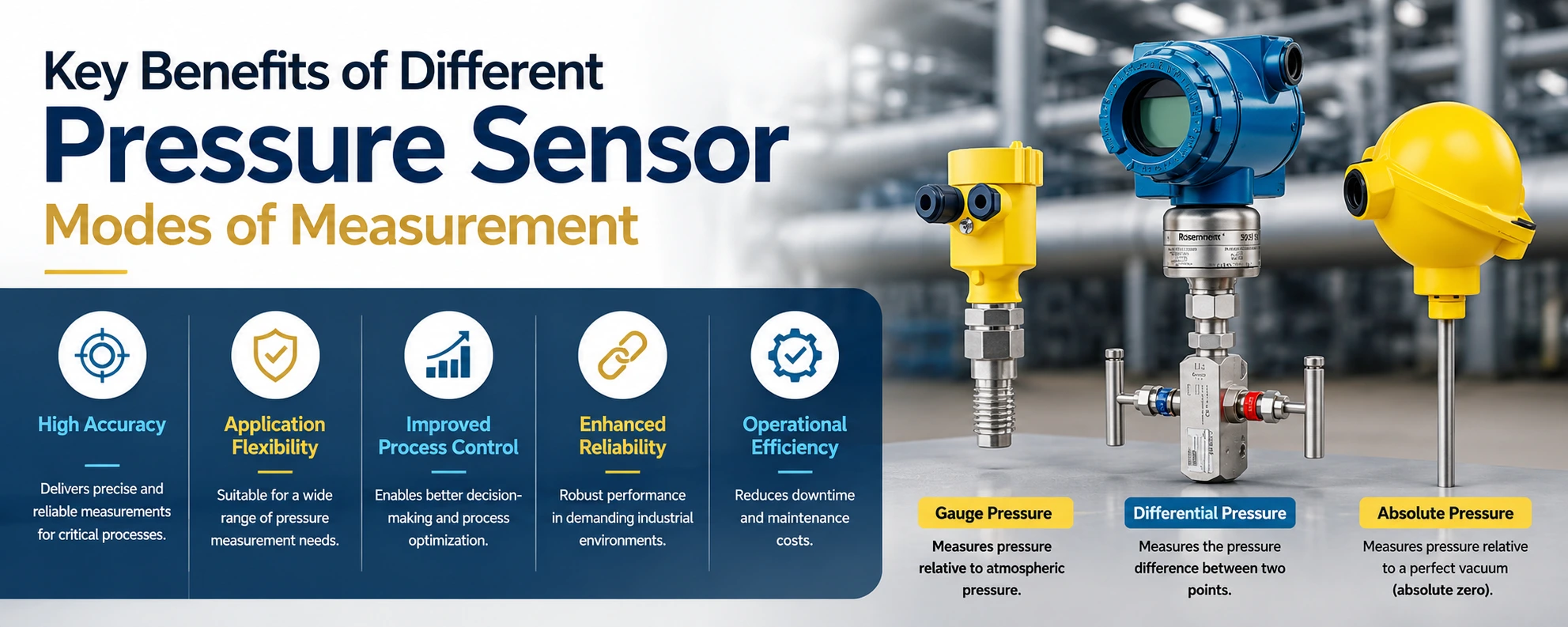
Brian Craig
September 03, 2025
When it comes to monitoring and controlling industrial processes, pressure sensing sensors play a vital role. They ensure that everything from oil pipelines to pharmaceutical equipment operates safely and efficiently. But not all sensors measure pressure the same way. Depending on the application, you may need a sensor that measures absolute, gauge, or differential pressure.
Read More...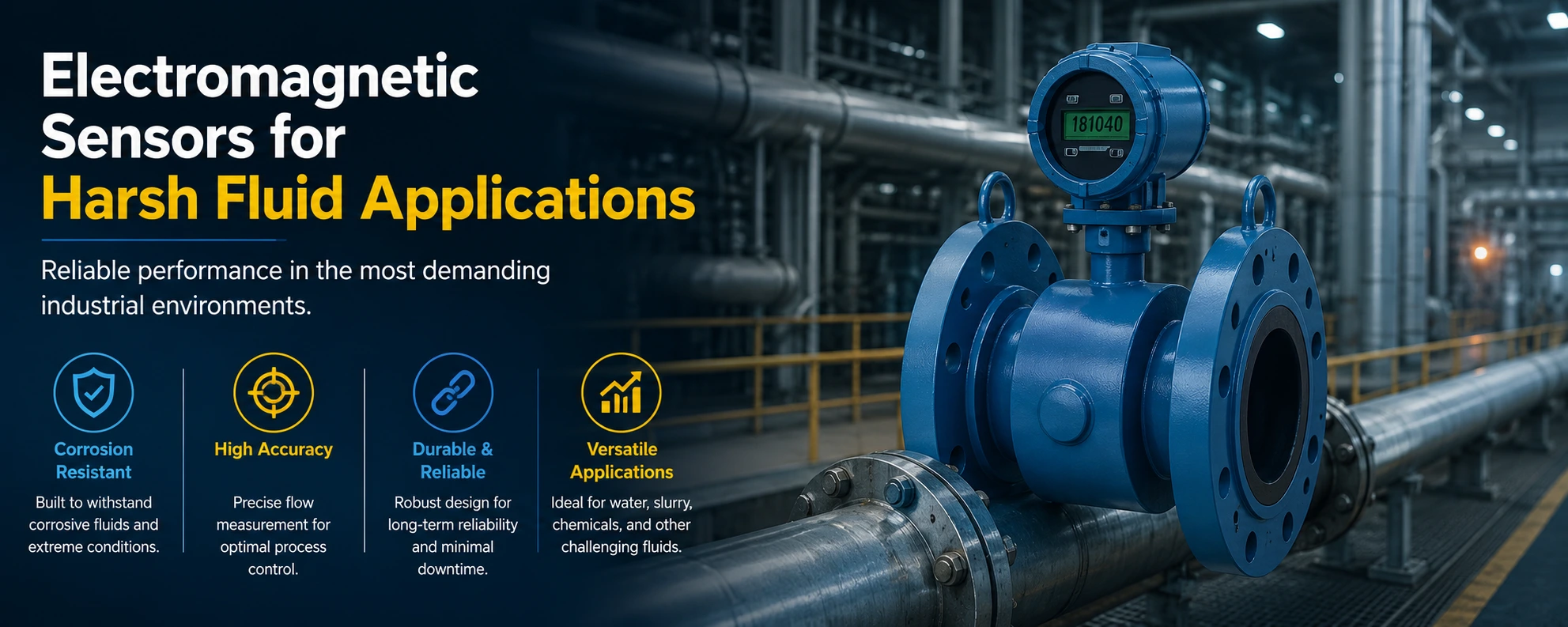
Brian Craig
August 22, 2025
Handling abrasive slurries or corrosive liquids is one of the toughest challenges in industrial flow measurement. Conventional mechanical meters often fail in such environments due to wear, clogging, or chemical attack.
Read More...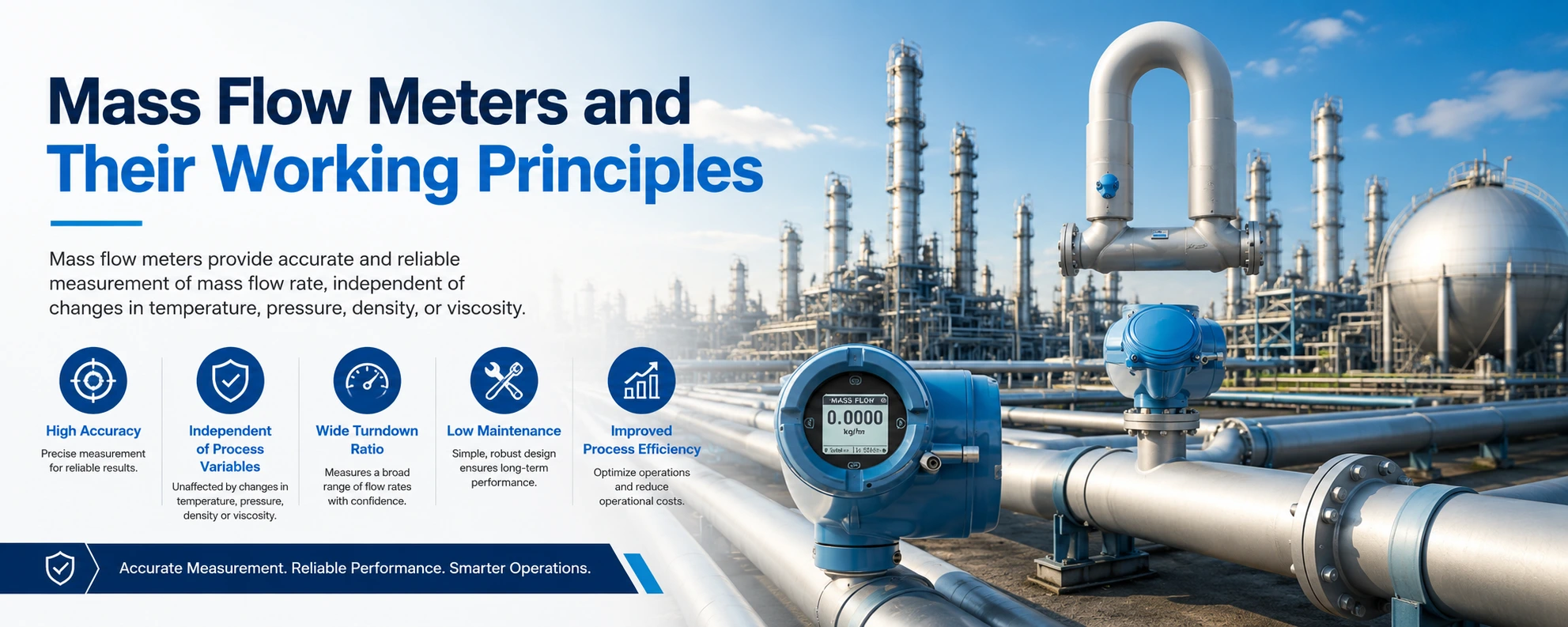
Brian Craig
August 21, 2025
A mass flow meter (sometimes called a mass flow sensor) is an instrument designed to measure the mass of a fluid moving through a pipeline. Unlike volumetric flow meters, read our blog for more information.
Read More...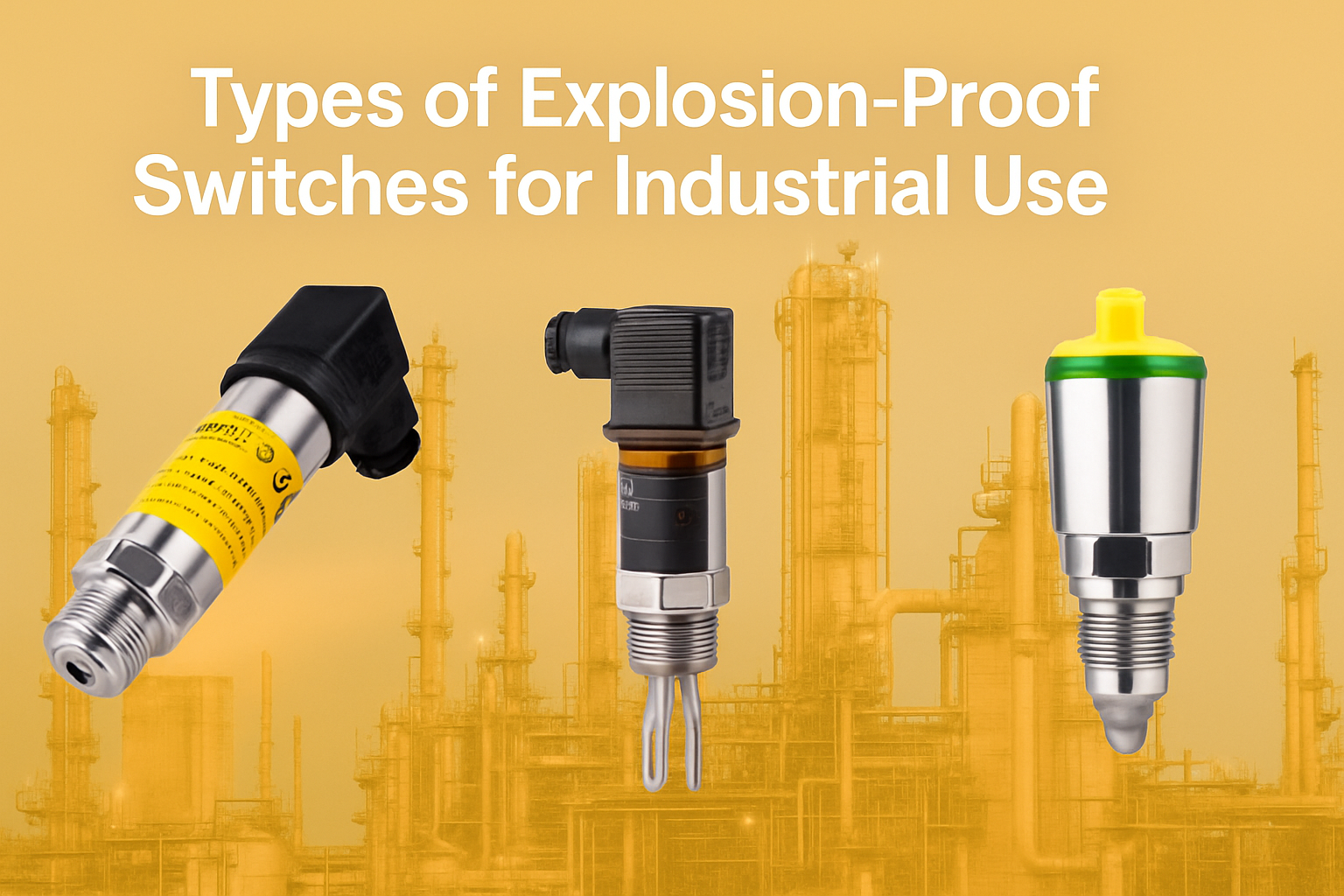
Brian Craig
August 06, 2025
The best explosion-proof switches for hazardous applications, discuss key features to look for, and recommend proven options trusted by industry professionals.
Read More...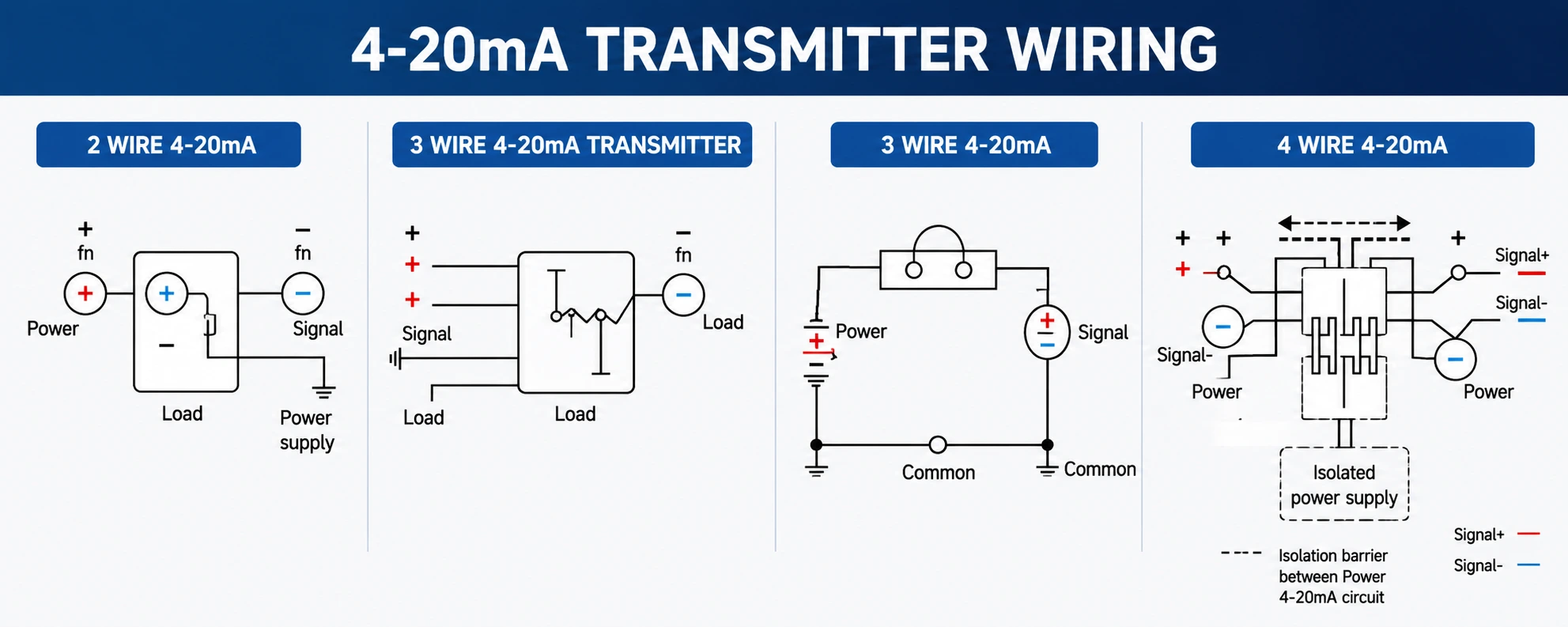
Brian Craig
July 30, 2025
In the world of industrial automation, precise and reliable signal transmission is paramount. At The Transmitter Shop, we understand that selecting the right transmitter wiring type for your instruments, whether it's a 4-20 mA temperature sensor, a 4-20 mA pressure transducer, or a differential pressure transmitter 4-20 mA is crucial for system performance and longevity. The 4-20 mA current loop has long been the industry standard for analog signal transmission, prized for its robustness against electrical noise and its inherent ability to detect broken wires (a 0 mA reading indicates a fault). But did you know that not all 4-20 mA transmitters are wired the same way? Understanding the differences between 2-wire, 3-wire and 4-wire systems is key to successful installation, maintenance and troubleshooting.
Read More...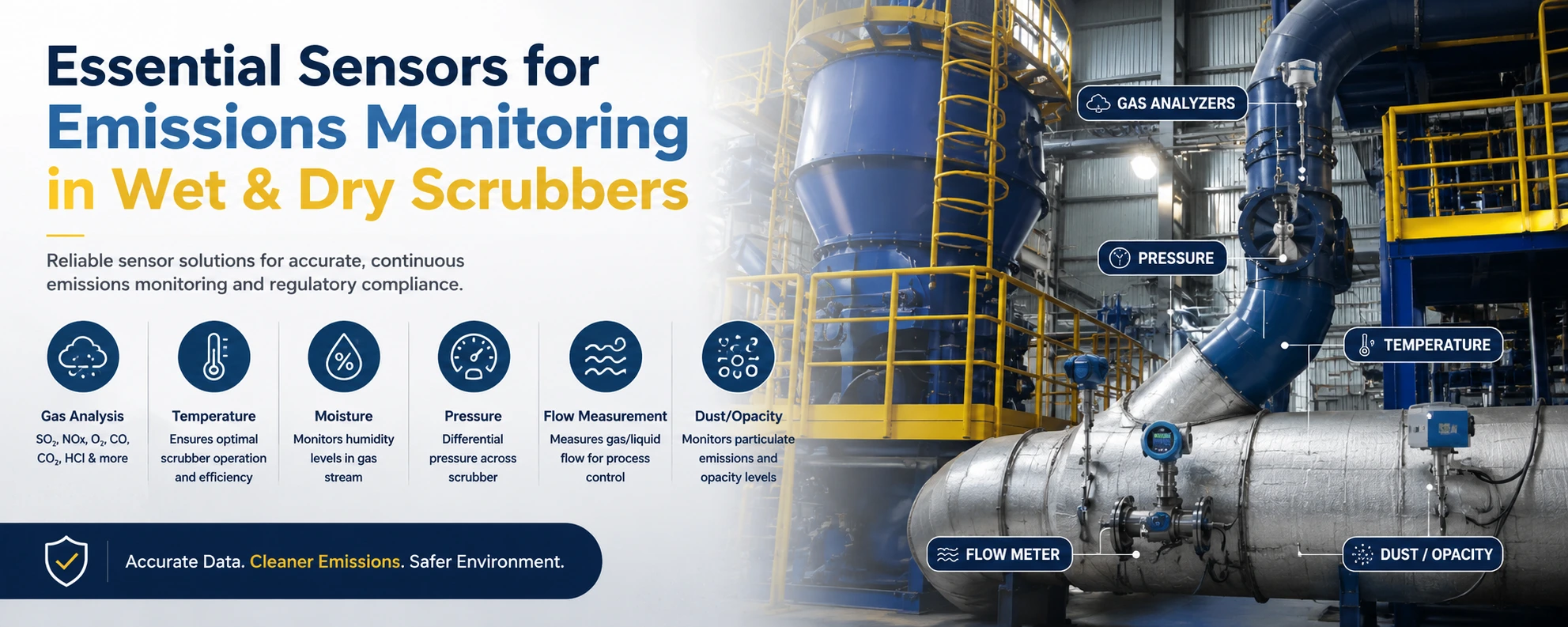
Brian Craig
July 18, 2025
In today’s increasingly regulated industrial landscape, emission control systems like wet and dry scrubbers play a vital role in reducing pollutants from flue gases. But efficient scrubbing is only part of the equation, accurate, reliable sensor instrumentation is what ensures these systems operate within compliance, stay optimized and avoid costly downtime.
Read More....jpg)
Brian Craig
June 26, 2025
As the world accelerates its shift toward clean energy, hydrogen gas has emerged as a key player in decarbonization efforts across industries, from fuel cell technology and chemical manufacturing to power generation and transportation. But while hydrogen offers tremendous environmental benefits, it also brings unique safety and measurement challenges due to its high flammability, low molecular weight, and invisible flame. To ensure both operational efficiency and worker safety, facilities handling hydrogen must deploy highly accurate flow measurement instruments and reliable gas and flame detection systems. At The Transmitter Shop (TTS), we provide complete hydrogen gas monitoring solutions that combine Coriolis flow meters, gas detectors and flame detectors, all engineered to meet the strict demands of hydrogen-rich environments.
Read More...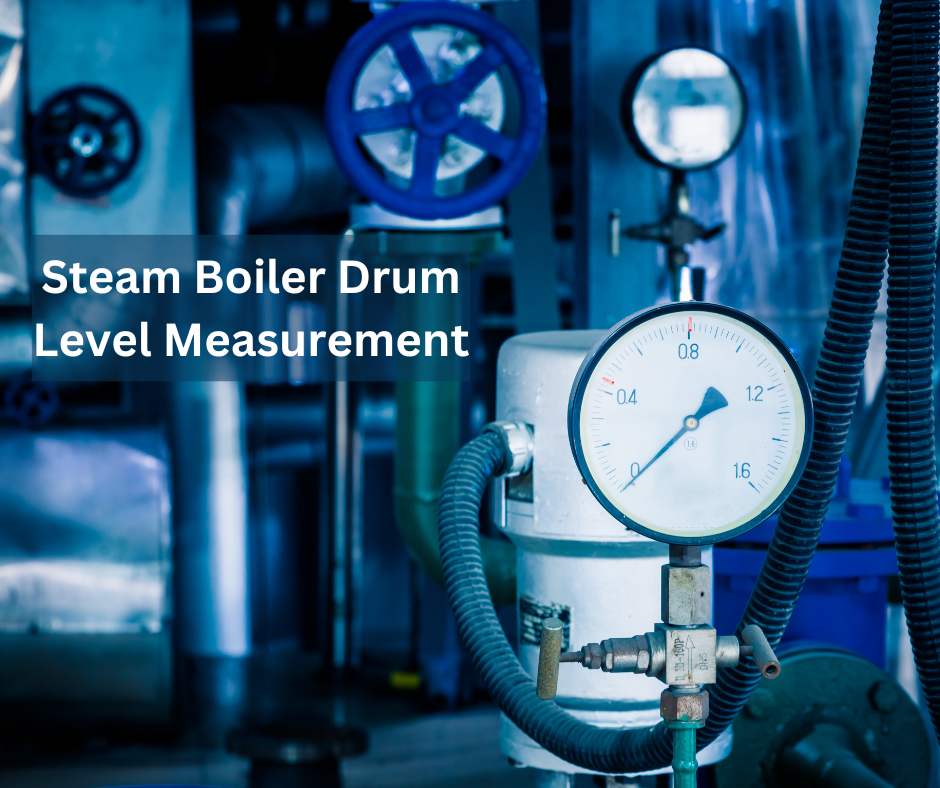
Brian Craig
January 29, 2025
Steam boilers form the backbone of various industrial applications, including power generation, chemical processing and manufacturing. An essential aspect of boiler operation is maintaining an accurate water level in the steam drum - this measurement ensures safety, efficiency and lifespan of your boiler system. Improper drum level control can have dire repercussions. Low water levels may lead to overheating and damage of boiler tubes; high levels may result in carryover, diminishing steam quality and turbine efficiency. To address these concerns, industries utilize various measurement technologies for monitoring and controlling steam boiler drum levels accurately. This article describes various technologies used for steam boiler drum level measurement, their respective benefits and drawbacks, as well as how to select the optimal solution for your application.
Read More...
Brian Craig
January 13, 2025
In this blog post, we'll walk you through everything you need to know about furnace flame sensor faults - from identifying common issues to understanding how the sensor works and why its presence is essential - whether you're troubleshooting an existing issue with your furnace or simply seeking a better understanding of your system, this guide can be an invaluable source of knowledge about keeping it operating safely and efficiently. So come take a deeper dive and discover the role that the flame sensor plays as well as ways to spot and resolve faults before they cause bigger issues!
Read More...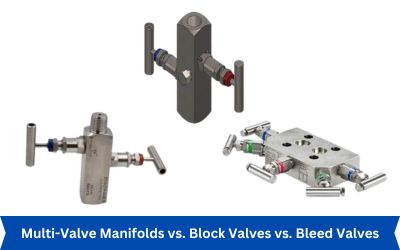
Brian Craig
October 28, 2024
Discover the differences between multi-valve manifolds, block valves, and bleed valves. Learn how each type functions, their unique benefits, and ideal applications to make informed choices for your industrial needs.
Read More...